
Top 10 Tips On Exchange Rate Margins, In Terms Of Currency Exchange
Understanding exchange rate margins in international finance is vital for those who travel and conducts business or has investment abroad. The margin for exchange rates is the difference between the buying and selling rates of currency. It could be a significant factor in general transaction costs. The margins for exchange rates vary widely between providers and can influence the amount you pay when exchanging currency or how much you earn when investing. If you are aware of the subtleties surrounding margins on exchange rates, you can make informed choices to save money and improve your financial results. The top ten tips for managing margins are provided below.
1. Learn About the Exchange Rate Margin Is
The exchange rate spread or margin is the difference in price between what a currency is to buy (ask) and how much it costs to sell (bid). Understanding the idea of exchange rates is vital for investors, travelers, and businesses. The exact rate you will receive will be determined by the margin. A wider spread is a higher rate of exchange that will allow you to make more informed financial choices.
2. Compare the margins of different providers
The various financial institutions and exchange services will offer varying rates of exchange. Before you change currency check the exchange rates of multiple providers. This includes banks, online platforms and kiosks. Sites such as XE.com or OANDA provide real-time information on rates and margins. This allows you to choose the most affordable currency exchange option.
3. Understand Market Influences on Margins
The exchange rate margin can be influenced in many ways, for example markets volatility, geopolitical influences as well as economic indicators. A crisis in the economy or political instability can increase the size of the margins because of an increase of risk. Being aware of market dynamics can help you predict changes in exchange rates and make informed choices.
4. Platforms for online exchange of currency
Online exchange platforms often provide more competitive exchange rates and narrower margins than traditional banks as well as physical exchange services. Companies like Wise (formerly TransferWise) and Revolut typically provide real-time rates, with lower costs and better margins. Using these platforms will reduce your costs for converting currencies when traveling or doing business.
5. Timing Your Currency Exchange
– The timing of the currency exchange may impact the margins you encounter. Exchange rates change every day based on market demand and availability. Monitoring these fluctuations will aid in determining the most suitable time to exchange currencies. This can lead to higher margins. These decisions can be made easier by making use of tools to monitor currency trends.
6. Leveraging leverage to help hedge against currency risk
Currency hedging can be a useful tool for businesses and investors to manage the margins of exchange rates. Hedging is the process of using financial tools that lock in the rate of exchange in the future, and protect against adverse currency movements. This can reduce the impact of margins growing and improve profitability stability for multinational corporations.
7. Keep an eye on economic Indicators
The exchange rate can be influenced and their margins affected by many economic indicators. This includes inflation rates or interest rates. A country with a rising interest rate may draw foreign investment, thereby increasing their currency, and reducing its exchange rate margin. These indicators can provide an understanding of the movements of currencies. This will allow you to alter your strategies.
8. Consider Local Currency Use When Traveling
– Pay in the local currency when you travel and not in your home currency. It is possible to avoid paying for an exchange rate that is dynamic (DCC), which often comes with unfavorable rates of exchange. In general, paying in the local currency will result in the most favorable rate of exchange. This will lower the overall cost for the purchase abroad.
9. Beware of hidden fees
Be aware of any hidden fees charged by services which exchange currencies. These can be transaction fees as well as service fees and commissions, which could increase the amount you pay. Avoid unexpected costs by reading the small print.
10. Get financial advice from experts when it comes to major transactions
Consultations with currency or financial experts are beneficial when dealing with large amounts of money or intricate currency conversions. They can assist you in the process of knowing the exchange rate and provide suggestions for reducing expenses. Their knowledge is especially useful for business owners or investors who want to increase their holdings of currency.
By following these detailed guidelines on margins of exchange You can make sense of the complexities of currency transactions more effectively, whether you're traveling in business, conducting business, or managing investments. Knowing how to manage the exchange rate margins will help you make better financial decisions that are aligned with your objectives. This can end up saving you money as well as improve your financial plan. Read the most popular AUD to USD for website tips including convert euro to usd, usd to peso, cdn to usd, dinar guru, convert pounds to dollars, us dollar to colombian peso, usdthb, rmb to usd, dollar to php, us dollar to mexican peso and more.
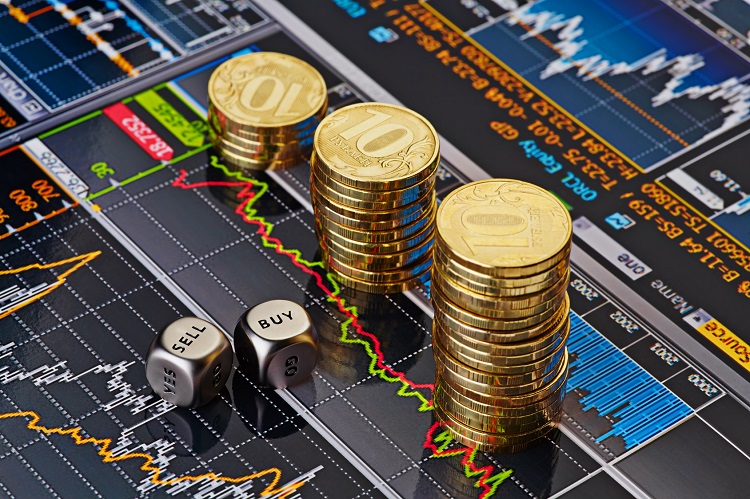
Top 10 Tips For Transaction Limits In The Context Of Exchange Rates And Rates
The limits of transactions are important for financial activities. They are the maximum amount of money that can be transferred within a certain time period, often determined by banks, financial institutions or payment platforms. Understanding the limitations of transactions will help you optimize your financial plan and avoid excessive costs or delays. For travelers, the limits of transactions can impact cash withdrawals and purchases from abroad. For companies, transaction limits could influence the process of payment and the management of cash. When purchasing or selling assets, buyers must be aware of transaction limits. Below are ten top strategies for managing your transactions limits.
1. Be aware of your bank's transaction limit
Usually, every financial institution or bank has established limitations on transactions such as purchases, transfers, as well as withdrawals. It is recommended to know the limits prior to travelling or engaging in significant transactions. This information will help you plan your finances in a way that is efficient and prevent difficulties when trying to access funds or make purchases abroad. Check your bank's website or contact customer support for specific information regarding your account limits.
2. Be prepared for cash withdrawals when Traveling
When traveling it's crucial to organize your cash withdrawals in order to remain within the limits of transactions set by your bank. When you know how much cash you'll need on your trip, you'll be able to calculate your daily withdrawal cap. Think about taking large withdrawals in one go, if you can, so that you do not run out of cash. Be aware of any foreign ATM charges that may be applicable. If you're concerned that your withdrawals may exceed your limit, think about making a backup plan for your payment system.
3. Utilize Multiple Payment Methods
It is not a good option to only rely on one payment method in particular when there are limitations on transactions. Utilize a mix of cash or credit cards as well as mobile payment applications to be able to quickly access your money. This helps you avoid exceeding the transaction limits of one account, and allows you to manage your finances during business trips or while traveling.
4. Monitor your Transaction Activity Regularly
You can monitor your transactions to ensure that you are not exceeding your limit. Many banks have mobile apps that track your transactions live and offer insights into your balance. You can control your finances more efficiently by monitoring for activity on your account.
5. Learn about the limitations on international transactions
Check with your bank's guidelines on the limits of international transactions If you plan to make international withdrawals or purchases. Certain banks limit transactions that are conducted in foreign currency. This could limit your ability to purchase and access funds when traveling overseas. Understanding these limits will aid you in planning your trip and ensure that you don't experience any disruptions during your travels.
6. You might want to consider setting up alerts for Transactions
– Many banks and financial institutions have alert systems that will notify that you're nearing your limit for transactions or when a transaction occurs. You can manage your finances more effectively by setting up these alerts. They can also stop you from exceeding the limit. This feature can be especially beneficial for travelers who can easily lose track of their spending habits when they travel.
7. Be aware of daily and annual limits.
Limits for transactions are determined by various time frames, such as a daily limit or a monthly limit. You may be permitted to withdraw a specific amount each day, but your bank will set a lower limit for monthly transactions. Knowing these timespans can aid you in planning your transactions effectively and make sure you are able to access funds as needed without exceeding limits.
8. Check with Your Bank Regarding Temporary Increases in Limits
If you're planning to conduct more substantial transactions, you should consult with your bank regarding the possibility of a temporary increase in limit. Many banks will accept requests for larger limits provided you have an acceptable reason. Make contact with your bank well before the deadline to discuss specifics of your request and to supply any required documentation.
Review the Limitations of Payment Platforms
Be aware that some payment platforms such as PayPal and Venmo, also have limitations on transactions. Each platform has its own policies regarding maximum amounts for transactions. These can change depending on the history of users and account verification status. Check these limits prior to performing transactions to avoid interruptions or delays.
10. Inform yourself about your investment limitations
For investors, transaction limitations may apply when selling or buying assets using brokerage accounts. Limitations on transactions can hinder your ability in turbulent markets, to swiftly execute trades. Find out about the limits on transactions set by your broker and utilize limit orders to manage your investment.
You can manage the difficulties of travel, business and investments by better understanding and navigating your limits for transactions. Knowing your bank's policy regarding cash withdrawals, using multiple payment options and keeping an eye on your transactions will allow you to make better financial choices. Ultimately, this knowledge will help you avoid unnecessary charges or interruptions, and will help you improve your overall financial strategy. Have a look at the best CZK to EUR recommendations for blog advice including aed to usd, usd to inr, euro to dollar, us dollar to rupees, usd to cop, dollar to yen, eur to usd, usd to inr, cdn to usd, us dollar to rupees and more.